medical tourism

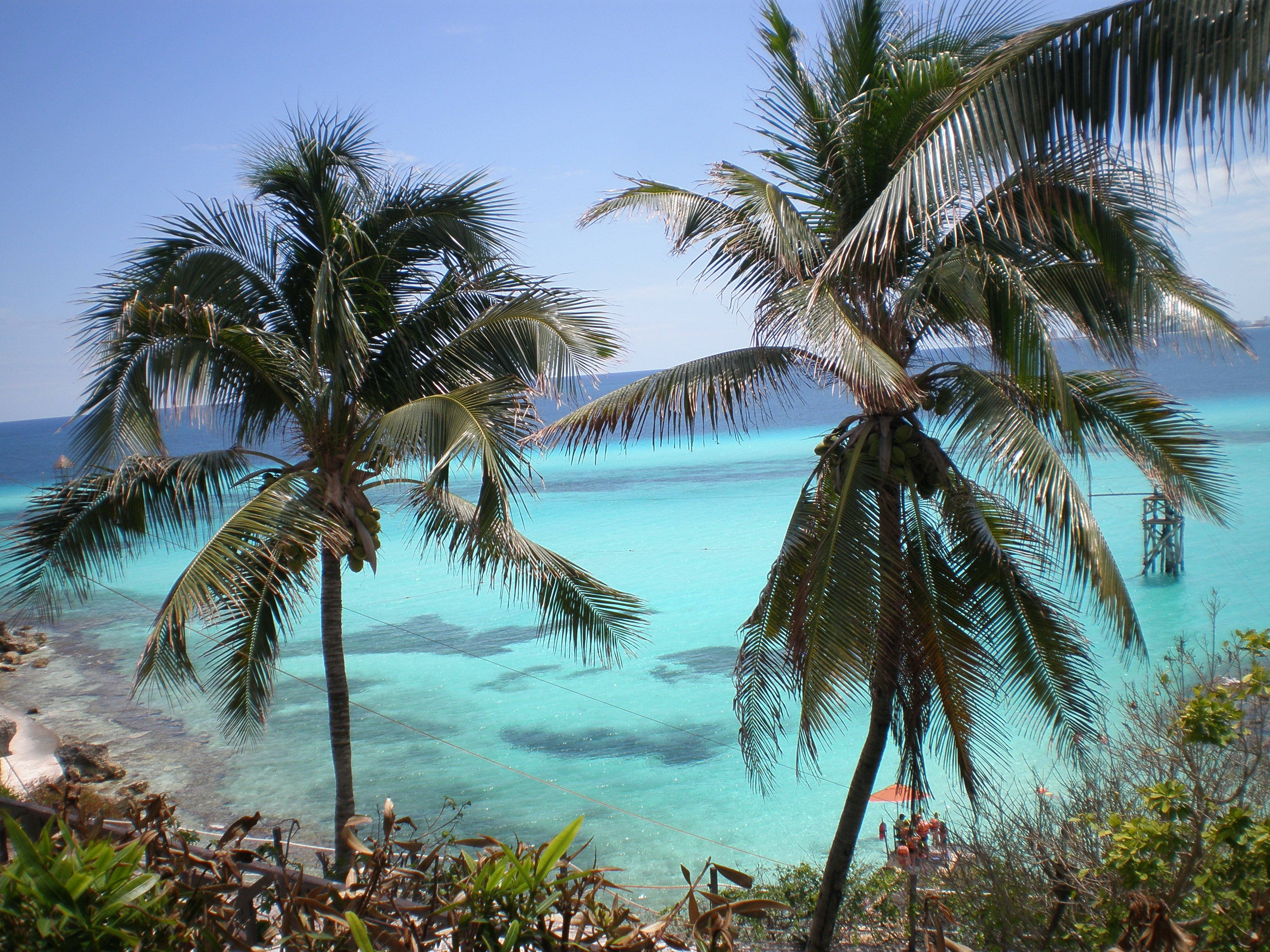
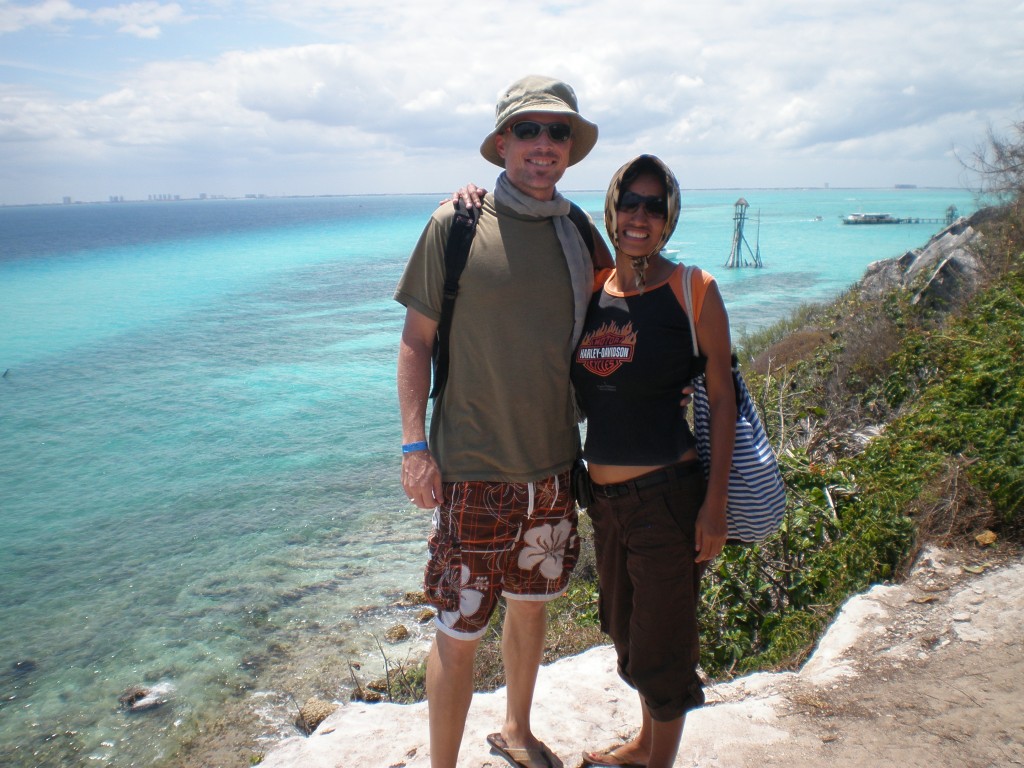
Isla Mujeres, Mexico

Living off the grid in Cancun, Mexico

Posted by | Live Like a Local, Mexico, Quality of Life, Traveling Tips | 8 Comments

One of my favorite aspects of living in Cancun, Mexico is when I have the opportunity to dispel some of the myths around the city. The first of which is that people assume all of Cancun is The Hotel Zone, the all-inclusive strip of beach-front property separated from the mainland by a lagoon and only accessible by two bridges. It’s a haven of resorts, dance clubs, bars and restaurants, all of which are over-priced and full of obese, drunk, consumption-addicted tourists from all around the world. What many people don’t realize is that there is an entire city on the mainland that is completely separate from the HZ, and it marches to the beat of a very different drum.

Cancun proper is a thriving, bustling, very Mexican hub of activity, where a smattering of the locals speak English but the vast majority are simply living life as all Mexicans live: in Spanish, simply and without the bustle and hum of the tourist section that the governments of the U.S. and Mexico both promote.

One of the primary reasons I came here was the simple fact that Cancun is smack-dab in the heart of the Riviera Maya, while at the same time boasting an international airport and a global hub of expats. The combination of easy in-and-out transportation, along with the fact this is the hub for one of the region’s busiest ADO bus terminals for routes in and around the rest of Mexico, make this the perfect hub for travelers who are here to spend time immersing themselves in the Mexican culture.

On top of that…Cancun is cheap. Or at least it’s cheap if you want to live like a local, speak Spanish and get off the beaten path. If you want to live the typical tourist lifestyle here, it’s very easy to spend 2-3k per month in living expenses, but if you are looking for middle of the road accommodations, comfortable living, cheap healthcare, high speed Internet and a modern infrastructure, you can have everything you need as a working professional for around $600 a month (individual; couples are around $800 a month; families dependent on how many).

We have two rooms available for rent in Cancun for those of you in the market for something quick and easy.

  1. View Room One Here

  2. View Room Two Here

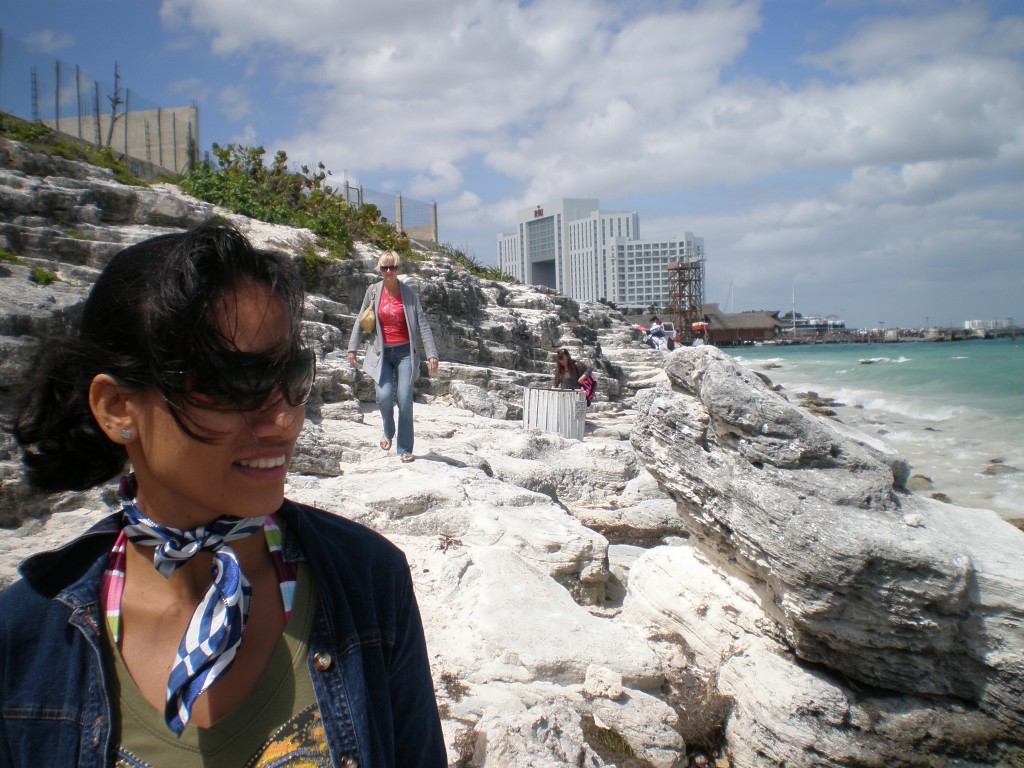
Mirador, Cancun

I’ve covered the costs and etc. in other posts, such as Cancun – Beyond the Hotel Zone, as well as in our immersion travel guide for the city, but there’s more to it than just the cost of living. I’m a resident, here on a visa, which means I get the same bonuses as Mexicans. I have access to the universal healthcare system (costs me about $300 per year, and that gets me unlimited, free prescription medication along with free healthcare, although there are some limitations, such as no orthopedic surgeries for 2 years to make sure I’m not just going to buy in and abuse the system), and I can get into the national parks and museums for free on Sundays alongside the nationals…which means I can visit places like Chichen Itza just like the locals do.

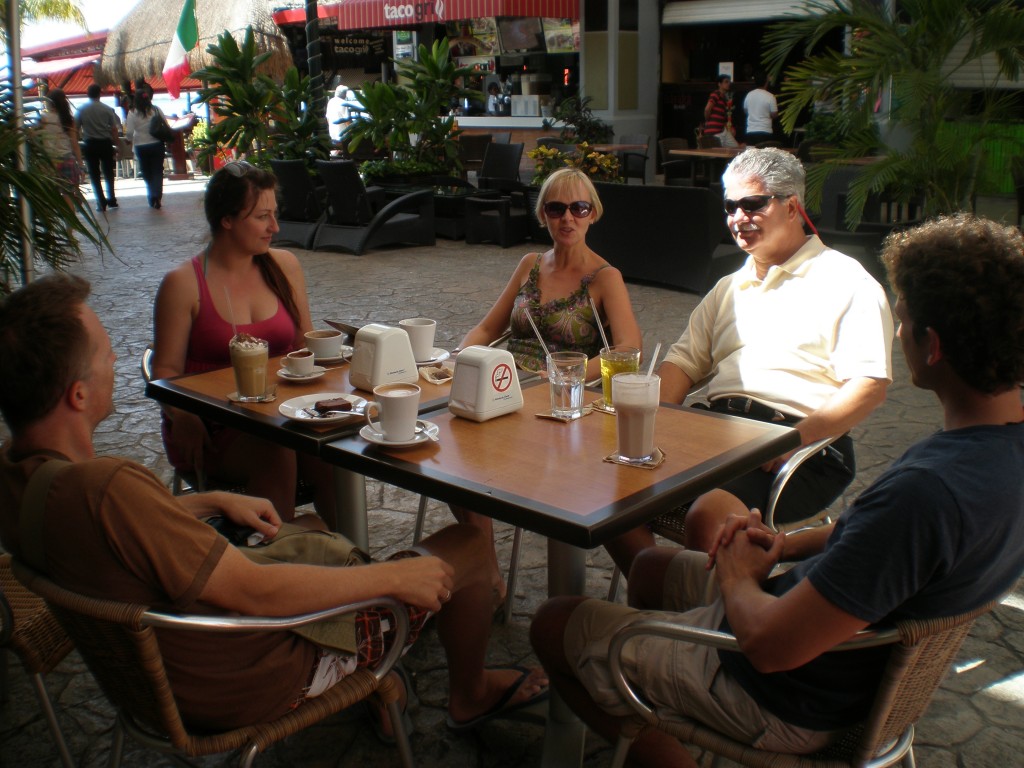
But what if you aren’t here as a resident, but just as a temporary visitor? Even then, the costs are cheap. Especially as it relates to medical tourism. The perfect example is Dave from Nomadic Retiree. He was one of our retreat members down here for the Spring 2013 Destination Freedom brand boot camp for March, April and May. He’s getting a lot of dental work done currently. Root canal, some crowns, cavity work and beyond. We were tallying up the costs the other day and he took his quote from the United States (between $14,000 and $15,000 depending on which dentists he talked to) and compared it what he’s spending here in Mexico…basically he’s saving around $12,000 USD by the time everything is said and done…and the work he’s getting done is more professional than anything he’s ever received in the United States.

He’s going to be writing a blog series on it, so you can follow along at his website for the nitty gritty details, but the bottom line is that even if you aren’t here as a resident, things are cheap. If he was on the universal healthcare system it would be even cheaper, as some of the procedures would be covered by the healthcare, but he’s only down here as a visitor, not a resident, and you only have access to the system once you have an official visa and go pay your healthcare taxes/fees.

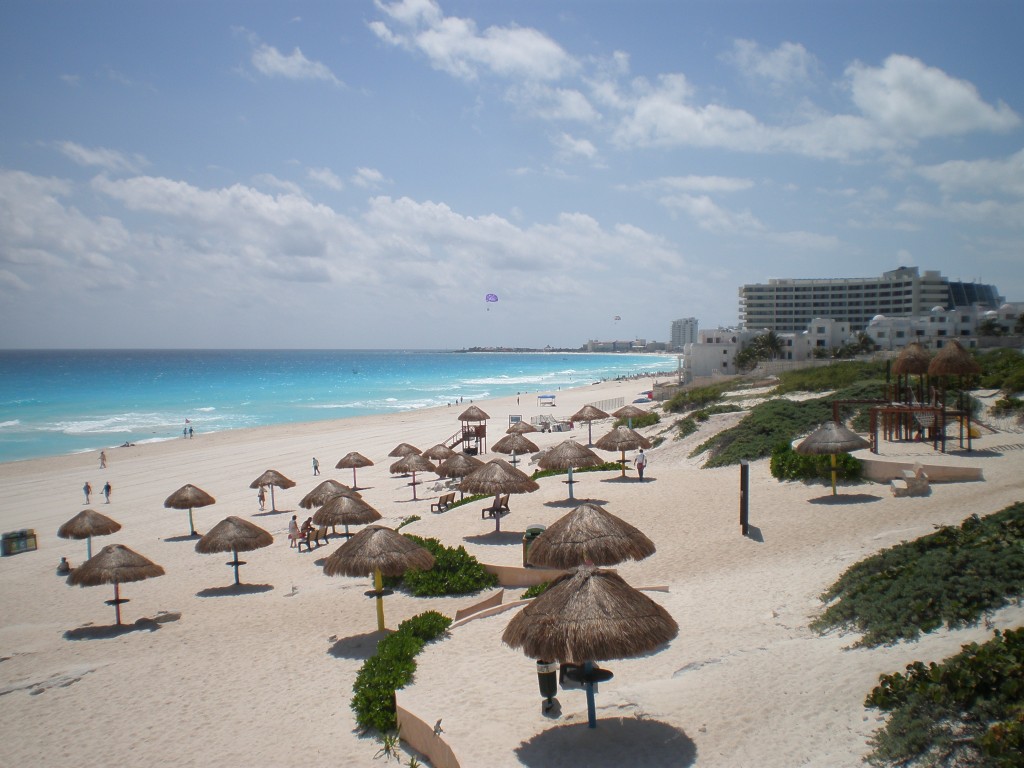
Playa Tortugas

Speaking the language also opens a lot of doors in Cancun. First of all, the taxi drivers won’t try and give you the gringo rates if you speak the lingo. Secondly, the bus drivers won’t try and short change you. Thirdly, the respect level gets cranked up to 11 when you are meeting the Mexicans on their own turf and speaking their language as opposed to being the arrogant tourist who demands their menu in English and berates the staff in the serving industry for not speaking English. I’ve already covered some of this in The Importance of Language Immersion for Expats, but the basic rule of thumb is this: when you give respect, you get respect back. It’s the age-old rule of reaping what you sow. Act like an arrogant twit, and you’ll be treated accordingly.

Knowing Spanish also gives you access to local rates on accommodations, as well as the ability to negotiate, which is one of the major bonuses of living in a Latin country: everything is negotiable. For example, my buddy DJ Vishnu negotiated a year’s worth of “free” rent at a hotel where he was staying simply by offering to manage their social media campaign for 2 hours a day and build them a new website. Which freed him up to work solely on his meditation videos and create more awesome music for his fans rather than stress about bringing in income from another source. Had he only spoken English, that door would have been completely closed to him.

There’s also an untapped market in terms of web development, social media development and beyond here on the local level, which means there are almost literally an unlimited number of job opportunities for the entrepreneurial sort who wants to come down here and put their nose to the grindstone. It’s the reason we are teaching Spanish language in our brand boot camps, so that our graduates can go on and find work not merely in English, but also in Spanish, both internationally and locally.

Destination Freedom by Marginal Boundaries

Cancun has a fairly negative reputation due to the Hotel Zone and its endless array of all-inclusive resorts and Spring Breakers, but the reality is that the city itself is completely separate. On the mainland we have quiet suburbs filled with parks and schools, Mexican barrios with 3 and 4 bedroom townhouses, a thriving middle class, the typical street food, plenty of mom-and-pop restaurants and businesses, cheap living and a completely laid-back, Bohemian way of life.

The buses run regularly, taxis are always available, there’s grocery stores every few blocks, you can find an Oxxo or Extra on every street corner, violent crimes are almost nonexistent, and it’s nothing but middle class Mexican families raising their children and living their lives no different than any other suburbia on Planet Earth. And if you get away from the Hotel Zone into the outer barrios on the mainland you’ll never see a gringo or an overweight tourist or find a strip club or hotel or any American restaurants. In fact, you’ll probably be one of the only foreigners that the locals have seen outside of when they go to the Hotel Zone or into the heart of downtown Centro.

And contrary to popular belief they don’t want to rob you, rape you, kidnap you or cut your head off. Cancun has a 2 in 100,000 murder rate compared to Washington D.C.’s 32 in 100,000 (as of 2010), so as far as safety goes, you are safer here than you are in the capitol of the U.S. Instead, the Mexican people are warm, inviting, friendly and ready to kick back a beer or smoke a joint with just about anyone. This is called the “land of tomorrow” for a reason: if you give a Mexican a reason to take a break, relax and enjoy life, they take it. End of story. And once you get a little Spanish under your belt you’ll quickly find that everyone, everywhere, is always looking to strike up a conversation and kick back a cold one, no matter the color of your skin or what country you come from.

On top of all that, you have access to the entire Riviera Maya, from places such as Isla Mujeres to the secluded coves at Akumal, from Isla Blanca to Cenote Ik Kil, from Playa del Carmen to Tulum to Cozumel and beyond. This really is a magical place to be living, and I couldn’t wish for a better place to call home! Don’t forget to give us a shout if you are going to be in the area as we are always up for beers and fun, and if you have questions about anything related to long-term living in the city, whether it’s apartment rentals or beyond, let us know!

Tim and Cristina

If you want to rough it on your own, head on over to our Cancun travel page for boots-on-the-ground information, or pick up our best-selling Cancun travel guide (on sale since 2011!)

cancun travel guide

Don’t forget to check our Cancun page for dozens of videos from our time here, as well as other Cancun-specific posts below.
Cost of Living in Cancun, Mexico
Modern Mexico: The Real Story
Cancun, Mexico – Beyond The Hotel Zone
Living Off The Grid in Cancun, Mexico
Market 23 in Cancun
Market 28 in Cancun
Gourmet Italian in Cancun – Assaggiare
Tacos in Cancun – Tacos Rigo
Tacos in Cancun – Los Aguachiles
Beaches in Cancun – Playa Tortuga
Beaches in Cancun – Puerto Morelos
The Human Experience

Cultural Immersion and Human Exploration

Posted by | 30 Ways in 30 Days, Live Like a Local, Quality of Life, Traveling Tips | 10 Comments

People often ask me what it is about travel that initially drew me to a life of continual exploration as an international expat and global citizen. I can easily point to Indiana Jones as my primary influence as a child growing up in the 80s; a life of adventure around the world, exploring other countries, speaking other languages, discovering sights unseen and paths untrod by the average, ordinary traveler. But more than anything else it is the people, the cultures and The Human Experience that makes travel such an important part of my life.

Communication is vital to the social evolution of our species. It is only through communication that we will fully overcome the violent tendencies of certain people and governments whose sole desire is to pillage, rape, kill and destroy other cultures. But beyond simple communication are the social values, the cultural differences, that should be embraced as part of the overall Human Experience as opposed to being feared and hated simply because they are “different”.

We are living in amazing times where globalization has allowed for instant communication and a dissolving of cultural boundaries and barriers. The entire species is advancing towards a common goal now with the advent of free information via global Internet, and almost everyone understands now the importance of sustainability and working together with our planet since we are all one great big symbiotic family.

Social media, crowd funding, YouTube, Google and beyond have opened the world to the entire population as opposed to just a select few. The concept of a “third world” country has almost completely disappeared from the map as every country has begun rapidly developing in the modern era. Anyone, anywhere, can create an idea and a way of life for themselves just through creativity and tools such as social media; it’s not merely those who come from certain countries or who speak certain languages.

One of the ways to explore the human potential at its most basic level is to actually go to other places, explore those countries, live there among the people, learn their cultures, study under their spiritual leaders, understand their history and where they come from and how they are just exactly the same as you or I or anyone else on our home, Planet Earth.

There is more to traveling than just going to a place and being there. It’s all well and good to snap a few photos of you and your significant other or family on the beach, living it up while on vacation or while backpacking through a country and seeing the landscapes and the flora and fauna of a place. But it is the people, the cultures, the history…these are what make a place unique, not the zip-lines, the cave-tours, the hot-air balloon rides, the 4-wheel treks, the scuba diving, the snorkeling or the various vacation activities that so many people wrongfully associate with “traveling abroad”.

One of the biggest issues plaguing the travel blogging and travel industry as a whole is the objectification of the people and places that bloggers and weekend warrior backpackers are visiting. That is, their blogs and articles depict travel as a form of consumption and objectify the people of other countries as opposed to actually immersing themselves in the culture and learning about the people and exploring who they are and where they came from.

Sure, it’s cool to check out a flashy blog or magazine article full of photos of an adventure traveler or couple as they zip-line their way down a canyon in Argentina, or take a hot-air balloon across the expanses of Turkey or go cenote-diving in The Yucatan of Mexico, and there’s plenty of adventurous text to go along with these types of articles. But where is the cultural immersion? Where is the human exploration? Where is the communication, the connection, the exploration and respect of culture?

The best way to learn about a country and its culture is to live there for an extended period of time. One of the things I really enjoyed about the Young Adventures of Indiana Jones was the continual emphasis on learning the language of the countries that young Indy was traveling to with his family. And as the show progressed into an older, young adult phase, the languages he had picked up as a child while traveling with his family allowed him to experience things far beyond the tourist phase.

The establishment of relationships. An understanding of the culture and religion of a place. A connection with its people. Real, actual conversations and connections as opposed to “another beer, please”, or “I’ll have an espresso”, or pointing at pictures on a menu while you fumble your way through ordering something.

Living, working and studying abroad on a long-term basis is the only way to fully appreciate cultural immersion and globalization. There is also nothing quite like exchanging your home for a comparable one abroad or renting or buying property in a foreign destination.

Vacationing or backpacking through a destination is only traveling. You are skim-reading the book. You are a glorified tourist, someone who might be spending more than just a couple of days or a couple of weeks in a place, but a tourist nevertheless. Living in another country, going native, speaking the language, immersing yourself in the culture and its people, on the other hand… this is the only way to truly experience a destination. When you live in another country as an expat going native, you are reading the whole novel as opposed to skim-reading.

Making the move to live abroad is the ultimate travel experience, and for many it is the fulfillment of a lifelong dream. For others, it is the result of chance and circumstance (my own was a combination of the two; a lifelong desire to travel and the crash of the construction industry in the U.S. at the end of 2006 and into 2007).

Going to a place, visiting the major (and minor) sites, snapping a few photos of the food, getting some pictures of the locals, doing the scuba diving tours and the hot-air balloon rides and renting a scooter to zip around Rome while sipping espresso in one of the many endless corner cafes…all of these things are absolutely adventurous and fun and exciting and are certainly worth doing while on vacation and on a generalized globe-trotting adventure…but there is a big difference between traveling and living in another country as an expat.

Acceptance of all cultures on an equal level is the first step. The second is learning the language. Beyond that, it’s all about connecting with people on a local level. Exploring The Human Experience. Rather than objectifying the people or their home by simply coming in with your $5,000 worth of camera gear and snapping photos of the “poor little natives” while you scuba-dive and snorkel and laze about on the beach, you actually live there. You support the local economy. You develop friendships with your neighbors. You build relationships, business partnerships and global connections.

Expand your mind. Learn another language. Immerse yourself in the culture. Become one of the people. Celebrate their holidays. Respect and appreciate their cultural values. Explore. Discover. Live.

There’s nothing wrong with being a tourist and a complete newbie. I’ve been one plenty of times, and I’ll continue to be one when I take vacations and initially visit a place before I’ve learned the language and worked my way into the culture. And there’s absolutely nothing wrong with adventure travel and enjoying “the good life” while visiting a destination Simply keep an open mind and remember that cultural experiences, immersion and human connections can only be developed through time and communication…not merely through consumption and objectification.

Don’t forget to sign up for our free newsletter for several-times-a-week, your-eyes-only travel and entrepreneur tips, plus receive a complimentary copy of our 85-page starter book on location independence and living abroad, 30 Ways in 30 Days.

With over 1,500 copies sold, our flagship 568-page eBook is what started it all. Learn how to travel the world like I do: without a budget, with no plans, funded completely by your website and online ventures.

The Expat GuidebookGet Your Copy Today!

Unplug from The System, cure yourself of The Greedy Bastard Syndrome, tap into your universal potential and create your own reality. Build a brand, travel the world and realize your cosmic consciousness.

Beyond Borders - The Social RevolutionGet Your Copy Today!

The American Dream

The Breaking Point

Posted by | Live Like a Local, Quality of Life, Traveling Tips | 27 Comments

A young man stands apart as the ultimate example of The American Dream. The year is 2002. Fresh out of college with a finance degree and a bright new future ahead of him, he lands a job as an accounts manager for Key Bank in Greeley, Colorado at 20 years of age. Within a few short years he moves to New Frontier Bank and by the time he is in his mid-20s he is the vice president of lending for the bank branch, and a board member.

Life is good. Money is flowing in. A house mortgage follows, along with a BMW lease, sufficient money to eat out every night at good restaurants, and he has access to credit cards with tens of thousands of dollars in limits. Success continues to follow as better job offers pour in, eventually culminating in an opportunity in 2007 to move to Chicago, Illinois and pick up a job as an executive lender at Lakeside Bank.

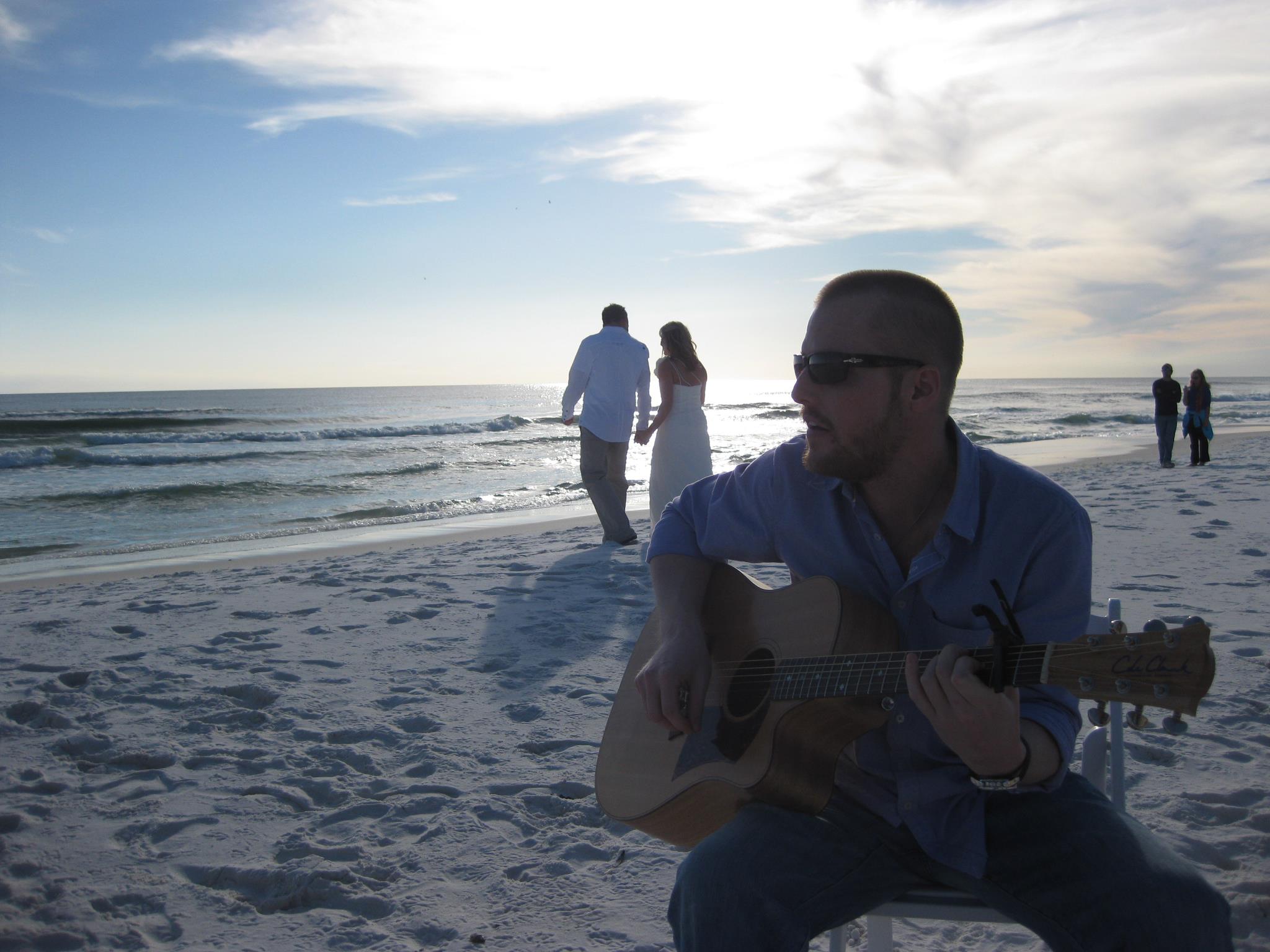
Along the way, a passion for music that began as a small child evolved into a full-fledged hobby/addiction. A guitar collection in the tens of thousands is built up over a decade, with axes signed by greats such as Jimmy Page. Recording equipment, a drum kit and other accouterments are built up over time, and a solid side profession playing gigs at local hubs in Chicago emerges.

In 2009, the economic crisis is several years into full swing. The high-paying job that has afforded a life of luxury for the past half-decade is suddenly stripped away, leaving the young man without a job. Despite the fact that he has 7 years of experience in banking, despite his position as board member and executive lender, and despite the millions of dollars of successful loans pushed through over the years, he is unable to find work. His position is filled by a family member of a branch head, someone fresh out of college who only wants a fraction of the salary.

Debt begins to mount. The credit cards fill up first. Application after application is sent in, to no avail. No one wants to hire an industry veteran with salary expectations. Instead, banks are running on skeleton staff, or using interns and fresh-faced college grads who are willing to work for the bottom dollar just to keep food on their plates. In many cases, work is completely outsourced to 2nd and 3rd world countries where qualified individuals are willing to do the work for pennies in comparison. Weeks turn into months, months turn into a year. Depression begins to sink in. Therapy is sought, doctors visited, prescription medication for depression is subscribed.

The cycle continues. The young man is forced to begin selling off his prized guitar collection to pay bills. He manages to net a small monthly income making custom guitars and amplifiers, and repairing people’s gear, but it’s just enough to keep the bill collectors at bay. He gives up his BMW and takes a hit on the lease. His home in Colorado is on the brink of being foreclosed on. He begins focusing all of his efforts on building up his music business at the local level in a brick and mortar location and following his primary passion: music. He pays his bills as best he can, using credits cards and bouncing things around to keep the bill collectors at bay.

Two years in. Still no work in the banking industry. No takers on the job applications. Multiple prescription medications and regular therapy are part of his routine. He is barely staying afloat with his guitar business, but he is six months behind on rent. His brother loans him money. Suddenly, the IRS shows up at his door. After years of doing his own taxes, the government questions his write-offs for the guitar business, and suddenly wants to see video and photo proof of him playing regular gigs at bars, and that he is actually functioning as a working musician/artist/craftsman. Initially, they only want to see the previous year’s tax receipts. Then, nearly a year later, it is determined that he owes the IRS back taxes for thee year’s worth of self-employment from his guitar business that he’s been trying to get off the ground.

Three years in. Frustration reaches critical point. Still no job offers. The guitar business makes enough money to pay for food, and sometimes bills, but they are on a rotational basis. Not all bills are paid at the same time. Bankruptcy comes up in conversations. He no longer has an apartment; instead, he is living out of his guitar shop, in the back room where the customers don’t go. He is up to six different prescription medications now to numb the pain of depression. He regularly sees therapists to try and drown it all out, but their only solution is to prescribe a different round of pills.

Penniless and broken, the once bright-eyed youth finds himself with close to $300,000 of debt. A house mortgage that is about to be foreclosed on. Broken leases. Back taxes owed. Student loan debts. Credit card debt. No real job in three years. An education that is absolutely worthless. A resume that no one gives a shit about. Meanwhile, bank CEOs and big business receive billions of dollars in free money from the bailout, allowing corrupt officials to discharge billions of dollars in debt. But the little guy, the young man who put his faith in the system, can’t discharge his debt in bankruptcy because the system won’t allow him. Instead, he is told he has no choice but to pay off the debts that he was lured into believing were a necessity in the first place…or face a life in prison.

The young man who once had everything, who had pursued The American Dream, who went to college for an education just like the system told him to do, who put his faith in the credit system just like he was told to do, who took out student loans and got credit cards and a mortgage from the bank just like he was told to do, who did everything by the book and followed the rules, found himself with nothing except a massive ball and chain attached to his ankle.

Running on fumes and desperation, he leaves Chicago and returns to the family ranch, penniless, at the age of 30. As the weeks go by, depression rises and hope fades. The life that was once held in his grasp, promised to him by the concepts of The American Dream, is gone. He has reached rock bottom. The combination of massive debt, back taxes and unemployment for three years without pay takes its tool. He has reached his breaking point and takes his own life.

This was my brother, Joshua Paul Anderson. On Sunday, December 2nd, 2012, he took his own life. Faced with an uncertain future, unpaid unemployment for three years, an impossible amount of debt, credit hunters and the IRS threatening him, he decided to end his life rather than face another year of the same, if not worsening, conditions.

Consider this a cautionary tale. In recent months, you have seen me post numerous articles shared from news sources around the world, talking about the broken system that is currently dragging entire nations to their knees. The United States is not the only country suffering. Spain, Greece, Italy, the United Kingdom, these are all countries going through similar issues. People in the U.K. and the U.S. living in tent cities and B&Bs. Families find themselves going from living upper middle-class lifestyles to being penniless and living on the bare minimum, reaching third-world living conditions in first-world countries.

The most recent blog post I wrote for The Expat Guidebook blog talked about how it wasn’t supposed to be this way, with the vast majority of middle-class Americans waking up to the reality that no, it isn’t getting better. Half a decade in, the recession isn’t going away. It’s getting worse. Unemployment continues to rise. Families have drained their savings accounts. People have been unemployed for as much as five years, doing anything they can to get by, living third-world lives in first-world countries. Students are rallying across the United States with cries of how their student loans have ruined their lives.

But there is hope for those with the intelligence to look beyond the broken system to the current wave of the future. Globalization has reached a fevered pitch. The Internet has allowed anyone, regardless of their birthplace, language, religion or creed to make a living online free of the credit system, free of the banking system and free of corrupt and broken governments. Crowd funding is the latest evolution that allows anyone with a great idea to find other people interested in that idea and bring it to reality.

Work abounds in other languages as new markets rush to populate the Internet with websites and content. The World Bank released information earlier in 2012 showing the number one job market in the world was the Latin American, Spanish-speaking market of South and Central America. Hindi, Arabic, Mandarin, Portuguese, German, French…these are all markets that are rapidly expanding around the world and there is an endless supply of work to be found if you can speak these languages.

Chile, Colombia, Ecuador, Peru, Brazil, Mexico and other countries are going through economic booms, bypassing the so-called global recession that has affected the West. China has passed the United States to become the number one economy of the world. Brazil passed the United Kingdom in 2011 to become the 6th largest on the planet. Mexico entered the top 10 in 2012. Singapore is the number one banking and finance capital of the world. Hong Kong saw a 95% increase in job applications from Americans in 2012, all in the finance and banking sector.

New opportunities are continuing to emerge…but only on a global level. Only for those with the foresight to have learned another language, who are focused on the digital arena, who have moved into the global market rather than focusing on the dead, brick and mortar local markets, are seeing success. Social media management, one of the highest paid careers as of 2012 and a perfect example of the digital evolution, is a largely degree-less job. Even now, several years into the social media phenomenon that has sprung up out of Facebook, YouTube and other outlets, there are only a handful of universities offering degrees in this arena, yet they are largely informative-only and don’t offer actual guidelines for how to utilize the power of social media to bring about change.

Websites and blogs can be started 100% for free. Social media accounts are 100% free. Newsletter services are 100% free. You can literally build an online business from scratch and do it all for absolutely zero. There is so much work in other languages that it is literally an impossibility go without work for more than a few days if you are actively looking to find employment. So why aren’t more people moving into the digital, global arena after facing months and years of unemployment? 

Perhaps it’s because they just don’t know about it. Passive income, or residual income as some have come to know it, is still a relatively new thing, only having come into the spotlight within the last few years. There may be a plethora of information offered on the Internet about how to “make money online”, but there is also a level of skepticism by the majority of the public, many of whom believe that anything offered online is a scam, that it’s just not possible, that they can’t possibly make a living online or change their life.

Perhaps it is conditioning. After all, from the time you are a young child you are told to trust in the system, to obey, to follow the rules, to go the “traditional route”. Go to preschool, then kindergarten, then grade school, then high school…and once you hit high school you are bombarded by the recruiters. Snake oil salesmen who earn a commission for every eager young little mind they twist to sign up for credit cards they don’t need and higher education that is largely pointless. Student loans are largely the only way for individuals to receive an education that they are told is required…yet when they graduate with hundreds of thousands of dollars in debt they are faced with a nonexistent job market.

Perhaps it is cultural brainwashing at its finest. From the time they are children, U.S. and U.K. residents are taught through textbooks and classroom settings that the rest of the world is inferior to The West. Many still believe countries such as Bulgaria, Mexico, Brazil and Colombia are third-world, back-water, filth-infested countries filled with terrorists and lacking running water and modern amenities. Many Westerns do not understand that Cuba, for example, has what is rated as the number one healthcare system on the planet. Bulgarians receive 410 calendar days of maternity leave at 90% salary compared to the average U.S. woman who can only receive up to 12 weeks maximum and employers have the option to pay maternity leave or not. But despite these superior systems, cultural brainwashing and propaganda have manipulated people into believing that the rest of the world is inferior, unsafe, unclean, backwards.

As recently as 2012, law students in Boston, graduates of Harvard and other Ivy League schools, were found not only accepting below-minimum-wage jobs, but actually competing for them! These are students so desperate for work that they are literally working illegally…and yet no one is calling the Better Business Bureau on these law firms. Where is the outrage? Where is the government that is supposed to protect the working man from unfair working conditions? How is this even possible, that these so-called professional law firms can get away with blatantly and publicly paying less than the federal minimum wage for a job? Meanwhile, lawyers in Brazil make 21% more on their salary than the average American lawyer…and they are in high demand.

Human beings fear change. Some of this is natural, such as learning how to swim for the first time. The thought of drowning is a powerful fear, and rational. But once you learn how to swim, that fear goes away because you have learned to master the art of swimming. Learning how to become a digital entrepreneur, someone who makes a living online in the global arena, from any country in the world, free of the system and totally outside of The Matrix, is to many so foreign as to be exactly like learning how to swim for the first time. They fully believe that it’s just something that is beyond their capability. They don’t believe it’s possible, because they think they will drown. They’ve been taught since birth that the only way to succeed is to do it the way it’s always been done…because to do anything else would be irrational, impossible.

They are wrong. I’m 32 years old. I’ll be 33 in January. I never finished high school. I never went to college. And here I am…debt free, traveling the world and making a living 100% online. No employer. No 40 hour work weeks. No student loans. No mortgage. I’ve lived in three other countries besides the United States. I speak decent Spanish and English, and a smattering of Bulgarian. I’m 100% self-educated. I’ve been debt-free since I was 29 years old, traveling the world where and when I want. I’ve opened businesses and bank accounts in multiple countries. I’ve held residency in three other countries. I’ve worked with clients from Germany, Australia, France, the U.K., the U.S., Dubai, Mexico, Austria, Argentina and Colombia.

I offered to give my brother a place to live, completely free, in early 2012. I told him he could come live with me for 6 months and I’d cover his rent and his groceries and help him get an online business going so that he could become 100% free and independent of the system. I gave him $2,000 to help him cover his six months of back rent. We had several long Skype conversations about it, but ultimately he choose to try and work within the system, to try and make it work the way he was told it was supposed to be…all because the lawyers and doctors and so-called professionals who didn’t want to actually help him or cure him, just prescribe more pills and schedule more appointments to make more money from commissions on medicine sold, bullied him into believing that the only way to “make it” was to operate within the system. 

Don’t let my brother’s fate become yours. Don’t let yourself become trapped within the debris of a sinking ship. Stop sending in job applications for positions that don’t even exist. Stop wasting months and years of your time, energy and literal sanity on things that don’t work. When a water line breaks you don’t keep using the sink while flooding the bathroom floor. You stop, turn off the water, repair the pipe and then move on.

Don’t let yourself reach the breaking point where taking your own life becomes the only path that you can see as a way out. Realize that in the modern, digital, global era that we all live in, other solutions exist. Setting up an online, passive income in a country of your choice with laws and a cost of living that best suit you is something that anyone, from any country, with any language, can do. Anyone, anywhere, can build an online business and find a growing population of digital clients and customers who want exactly what it is that you are offering.

Find online mentors. Ask questions. Join newsletters. Read blogs. Buy books and read them. Investigate. Research. Learn. Educate yourself. Find other successful people doing what it is that you want to be doing and ask them for advice. See the wisdom in Benjamin Franklin’s words of, “Being ignorant is not so much a shame as being unwilling to learn.”

Everyone starts off at the ground level. I didn’t know anything about blogging for a living back in January of 2008 when I first got started. I subscribed to dozens of newsletters, read dozens of blogs, picked up and read dozens of eBooks. I asked questions, found mentors, paid for courses and programs and listened to podcosts and signed up and paid for online training courses and met others who were doing what it is that I wanted to do.

Now, I run several different websites, I’ve published eight eBooks, and I live entirely off of my online income. I can go anywhere in the world that I want to go at the drop of a hat. My community continues to grow. I only work 3-4 hours a day and I’m doing something that I’m so passionate about that it never feels like work because I am following my dreams, pursuing my passion, and helping others along the way. And I’m not the only one. You can check out our Other Resources page for a list of other bloggers who are successful at this, ranging from single individuals to those who are doing this as a family venture.

Don’t let yourself hit your breaking point. Find a solution. Be willing to look outside the box. Unplug from The Matrix. Be willing to expand your consciousness, learn a new language, learn a new way of doing things. Age isn’t a factor. Country and language isn’t a factor. Anyone, anywhere, can make an online living, free of the broken system that is drowning so many millions in a self-perpetuating system of debt and credit and reliance.

Marginal Boundaries started as a passion project for me, a way to share nuggets of wisdom garnished from my time over the past 14 years of traveling and 5 years of full-time international citizenship as a global expat. That passion led to the creation of our flagship products Beyond Borders – The Social Revolution and The Expat Guidebook, the immersion travel guides on the cities I’ve lived in, the free videos I publish through the YouTube channel, the newsletter, and the classes I’m currently teaching with the Destination Freedom brand boot camps, along with the interns I ran through earlier in 2012.

When I see someone overcome the challenges, when I get to be there at the moment they unplug from The Matrix, to me that is the ultimate feeling of peace and satisfaction. I love helping others achieve their own levels of absolute freedom, to help guide and nurture the creative concepts that evolve into online businesses that help people make their own paths in life. I’ve always been passionate about helping others. But  now this passion, this gift that I’ve been given, is more than just something I want to do. Now it is something I need to do, if only to make sure my brother’s fate doesn’t happen to anyone else.

Rest in peace, little brother. You may be gone, but you are not forgotten. Your legacy is the catalyst of change to show others the path to greatness, and the importance of being willing to learn a new path and evolve with the times rather than being dragged down into the depths with a sinking ship.
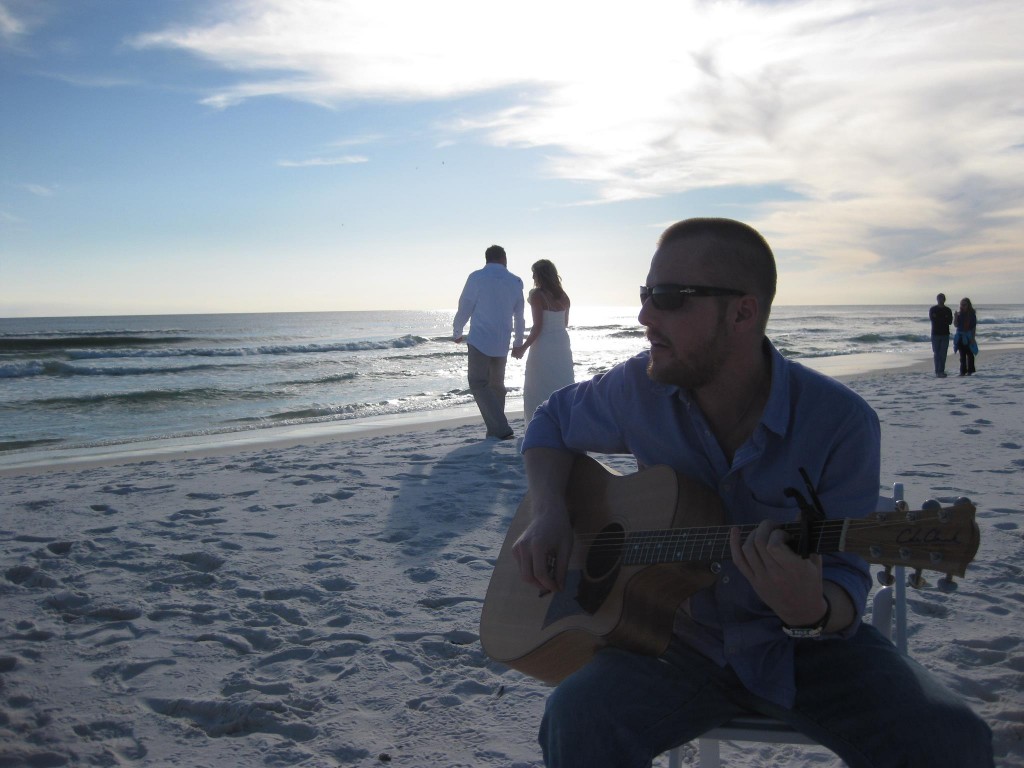
Joshua Paul Anderson

edited to add additional links on April 17th, 2013, such as the Beyond Borders book, dedicated to my brother, and the Destination Freedom retreats, also dedicated in his memory

Don’t forget to sign up for our free newsletter for several-times-a-week, your-eyes-only travel and entrepreneur tips, plus receive a complimentary copy of our 85-page starter book on location independence and living abroad, 30 Ways in 30 Days.

With over 1,500 copies sold, our flagship 568-page eBook is what started it all. Learn how to travel the world like I do: without a budget, with no plans, funded completely by your website and online ventures.
The Expat GuidebookGet Your Copy Today!

Unplug from The System, cure yourself of The Greedy Bastard Syndrome, tap into your universal potential and create your own reality. Build a brand, travel the world and realize your cosmic consciousness.
Beyond Borders - The Social RevolutionGet Your Copy Today!

Mirador, Cancun

Immersion Travel Is The Whole Novel

Posted by | Live Like a Local, Quality of Life, Traveling Tips | 6 Comments

You have a choice when you head out the door to explore the world. You can be the typical backpacker making your way place to place, staying for a few days or a few weeks at a time, taking lots of photos to share on your Facebook/Instagram/Pinterest/Flickr/chosen social media platform, and you’ll certainly rack up a slew of cool travel stories you can tell your fellow road warriors at hostels around the world. And you’ll certainly see and experience things that most people living back in suburbia never will. But there’s more ways than just one to see the world, and not all of them revolve around an endless stream of photos and hostel-hopping.

Known as slow travel to some, the cultural immersion route is the full-on expat version of traveling around the world. Rather than skim reading a destination like a book, backpacking your way place to place and only staying for a few days or weeks at a time, you are instead choosing to pour over every single word on the page, seeping yourself in the traditions and the language and the culture and the experience of who and what the country really is. You don’t just flip the pages to get the gist of things; you immerse yourself totally and completely and go native for months and even years at a time.

Backpacking is traveling. Vacationing is traveling. Immersion travel is experiencing. You aren’t merely a visitor passing through; you become a resident expat, a foreign national, with the respect of the locals and the rights of the citizens if you choose to stay on long enough to become naturalized. You go from being merely a weekend warrior to being an expert veteran of your chosen turf.

Rather than stay in hostels or hotels or rely on people you’ve never met through CouchSurfing or TravBuddy (both great services in their own right, and handy tools to keep at your disposal), you opt for long-term, fully furnished accommodations where instead of paying $25 or $30 or more per night for private accommodations in places where you have spotty Internet at best, limited hot water, shared kitchens and no real sense of privacy, you can rent a place out for six months or a year and pay a mere $10 to $15 per day on average.

Or you can go the house-sitting route or a work-exchange program and stay for absolutely nothing as long as you are flexible with the when and the where. Or you can pick up a cheap piece of real estate (two bedroom apartments, condos and houses in Colombia, Mexico, Bulgaria, Uruguay and similar countries can be found for as little as 20,000 USD for example) and use it as a base of operations for a couple of years and then either rent it out when you leave and hold onto it for future use and residual income, or sell it on your way out of the country to get your investment back.

Going the immersion travel route allows you to set up a base of operations that you can use for true cultural exploration. You can travel light rather than having to lug all of your stuff around with you. You can take day trips and weekend treks with a day pack rather than a full-on travel pack, allowing you to avoid the hassles of long-term backpacking and all the associated gear required. Not to mention when you have a base of operations you can ensure your things are secure, far more than in a locker in a hostel, because you can rent fully-secured accommodations with guards, alarms systems and more.

You can establish lasting relationships that lead to real estate deals, business opportunities, partnerships, friendships and beyond, much more than the fleeting and temporary nature of hostel friends and fellow weekend warriors you meet along the way. You will learn the language and go native through your immersion, allowing the destination you are living in to become like a well-worn sweater or your favorite pair of shoes; they fit just right and you know every little crease because the memories are ingrained into your mind as a result of living the experience rather than just passing through it.

There’s also more to it than just the cultural experience. Immersion travel also gives you access to residency status in your host country, should you opt for it, either through a pensioner’s visa or a freelancer visa, both of which will eventually lead to residency and eventually naturalization if you stay on long enough. This can lead to things like the opportunity to open up foreign bank accounts, thus leading to investment opportunities that were previously inaccessible. It will also give you access to universal healthcare systems and secondary passports that can be used for future investments and traveling off the grid to keep your investments and activities abroad completely safe and secret, away from the prying eyes of governments and financial institutions.

But going the immersion travel route takes a certain amount of dedication that most weekend warriors don’t have, either as a result of a budget or limited time due to vacation days, plus it requires that you have a firm grasp on your finances with a passive income stream of some kind, either in the form of a pension or an active residual income from a business, such as day trading or rental income or a website business. It’s not about saving up for six months so you can go visit a country for a few weeks or months; this is about living in another country as an expat, and that means providing proof of income and stability to the host government so you can stay on with a residency visa.

Immersion travel is the ultimate cultural experience, and it is also one of the ultimate ways to achieve the most financial success as a professional expat. The reduced cost of living associated with having access to things like nationalized healthcare as well as the ability to make offshore investments and commodity purchases with secondary passports means you can do things that most other travelers cannot, simply because you’ve taken the time to unlock the doors that most people merely pass by on their way through on a budget backpacking adventure.

If you are truly dedicated to exploring everything the planet has to offer, if you truly want to be a global citizen, there is only one option: cultural immersion through slow travel as a permanent expat moving country to country and exploring the entirety of Planet Earth. If you are someone who appreciates connecting with the people and places around the world on a more than fleeting basis, exploring the breadth and width of The Human Experience, this is the ultimate way to travel.

Don’t forget to sign up for our free newsletter for several-times-a-week, your-eyes-only travel and entrepreneur tips, plus receive a complimentary copy of our 85-page starter book on location independence and living abroad, 30 Ways in 30 Days.

With over 1,500 copies sold, our flagship 568-page eBook is what started it all. Learn how to travel the world like I do: without a budget, with no plans, funded completely by your website and online ventures.

The Expat GuidebookGet Your Copy Today!

Unplug from The System, cure yourself of The Greedy Bastard Syndrome, tap into your universal potential and create your own reality. Build a brand, travel the world and realize your cosmic consciousness.

Beyond Borders - The Social RevolutionGet Your Copy Today!

Gift Giving

Gift Giving, Tipping and Bribery – A Cultural Understanding

Posted by | Live Like a Local, Quality of Life, Traveling Tips | 13 Comments

Is giving a gift or tipping someone to earn their service bribery? Is it corruption? Is it greasing the wheels or is it merely showing respect for your business partner? The answer to that question lies beyond a mere association with a single word such as “bribery” or “corruption” or “coercion” and is buried in the cultural differences of countries around the world and the realization that what is “corrupt” in the eyes of one culture might very well be everyday business to another.

Take, for example, the giving of gifts. It is common practice in many Asian cultures for gifts to be given as a way of smoothing relations and facilitating a successful negotiation with your new business partners.  In Japan, this is a time-honored tradition and is expected at the first meeting to symbolize friendship, respect and the anticipation of a long lasting and fruitful relationship. To not give someone a gift would be an insult.

On the flip side of this coin is the United States. If you ask the average person from the U.S. what they think about giving a gift to a potential business partner before the deal is struck, you will hear one word touted above all others: bribery. In 1977 the U.S. government passed the Foreign Corrupt Practices Act, which specifically prohibits such gift-giving from taking place within U.S. borders, both by national and foreign companies or entities operating on U.S. soil. As a result the entire culture as a whole has a completely different view towards what is a common and acceptable practice in Asian cultures.

Tipping is another cultural activity which can be viewed as corruption. The U.S. is one of the only countries in the world where you are expected to mandatorily provide a 15 to 20 percent tip to restaurant workers and bar staff, simply for them performing their job. And if you ask the typical worker in the U.S. service industry what they think about those who don’t tip, you’ll likely receive a snarky reply about what an asshole that person is for not having tipped them for their service.

Then you have tipping in Bulgaria, for example (and throughout much of Europe), where it is completely up to the individual and is not, in any way, mandatory. Leaving a tip in Bulgaria only happens if the service is exceptional, or if you are a large party and the waiter in question is serving your table for several hours. Tipping “just because” never happens. Instead, restaurants pay their employees actual, livable wages.

In Latin America, however, tipping goes beyond merely the service industry; it is part of the culture and applies to every aspect of life. You tip the grocery bagger, the guy who helps you park your car by waving you in and out of the space and stopping other traffic, the women at the laundry mat, the staff at the restaurant, the cable guy when he comes out to fix something, the carpenter and so on and so forth.

Tipping is also used for things such as if you want the air conditioner repair technician to arrive today, not in three days. Or if you want the tow truck to get there within the hour, not in six hours. Or if you want your paperwork at the local notary’s office bumped up to the top of the list. If you want something done quickly, you grease the wheels with a little something extra. The same thing applies in many Eastern European countries, such as Bulgaria, Macedonia, Serbia and Romania.

If you want something done in the United States or the United Kingdom more quickly than normal, you pay an express fee. Want a package shipped priority mail? Pay the express fee. Want to drive your vehicle in the commuter lane? Pay extra. Want your paperwork expedited? Pay the express fee. If the average American wants something done above and beyond, they pay an express fee, also known as a tip, or a bribe in other countries.

But if you ask the average U.S. traveler what they think of being asked to pay extra for extra service while vacationing down in a Latin American country, for example, you’ll largely receive a resounding cry of “That country is so corrupt! I’m always being expected to pay a bribe to get anything done!” And if they have to pay extra for something like getting the cable guy to show up today, not in a week, to install the fiberoptics line for Internet, you’ll hear nothing but a continual stream of “Gods, Mexico/Argentina/Colombia/etc. is so corrupt; I can’t get anything done unless I pay these guys a bribe!”

Similarly, if you talk to many Western expats or travelers who have spent time in Eastern Europe you’ll hear the same types of comments. While tipping isn’t necessarily mandatory, greasing the wheels to get everyday things done on time is a natural occurrence. Nothing ever gets done “right now” in any country, unless you are willing to motivate people in the right direction through a bribe, tip or a gift: also known as an express fee.

Call it an express fee, call it la mordida, call it a bribe, call it a tip; it all amounts to the same thing. If you want something done quickly, right now, today, and if you want to inspire someone to give you service above and beyond, you pay a little extra. It’s greasing the wheels. It’s motivating the person to go beyond the call of duty with a little extra something. It’s an age-old tradition that goes back to the dawn of civilization.

Maybe it’s cash. Maybe it’s a six-pack of beer. Maybe it’s an MP3 player. Maybe it’s a favor for a favor. The reality is that these systems exist in every single country on the planet, it’s simply that the cultural viewpoints that are a part of a person’s limited exposure to other cultures limits their ability to perceive anything beyond what they’ve been taught since they were children.

What is corruption in one country is common policy in another, and what is a common business practice to someone in Japan, for example, would see you jailed in the United States. Despite the fact that it exists in the U.S. just as prevalently as it does in Japan. Complimentary meals for celebrities, free first-class airfare for politicians, complimentary accommodations when someone wants to sweeten the pot to get you to sign the paperwork on a real estate deal. Someone offering to buy you a six-pack of beer to finish wiring the garage today rather than tomorrow.

It comes down to the old saying, “When in Rome.” A 14 year old teenager can legally drink a beer in Bulgaria, but is required to be 21 years of age in the United States. Which country has the moral high ground? The reality is neither; both are countries filled with human beings who all have the same blood running through their veins, it’s simply the cultural point of view that changes depending on which country you hail from.

Part of being a world traveler is accepting cultural differences, and part of that acceptance is the realization that you need to travel without assumptions regarding the cultural policies towards gifts, tips, bribes and greasing the wheels. It is your responsibility as a global traveler to operate within and according to the various cultural traditions and customs of the local governments and leave your assumptions at the door.

Don’t forget to sign up for our free newsletter for several-times-a-week, your-eyes-only travel and entrepreneur tips, plus receive a complimentary copy of our 85-page starter book on location independence and living abroad, 30 Ways in 30 Days.

With over 1,500 copies sold, our flagship 568-page eBook is what started it all. Learn how to travel the world like I do: without a budget, with no plans, funded completely by your website and online ventures.

The Expat GuidebookGet Your Copy Today!

Unplug from The System, cure yourself of The Greedy Bastard Syndrome, tap into your universal potential and create your own reality. Build a brand, travel the world and realize your cosmic consciousness.

Beyond Borders - The Social RevolutionGet Your Copy Today!